Catalan Food Culture: The Calçotada

What is the best plan for a winter season week end?

To join a calçotada, of course! But what is that?

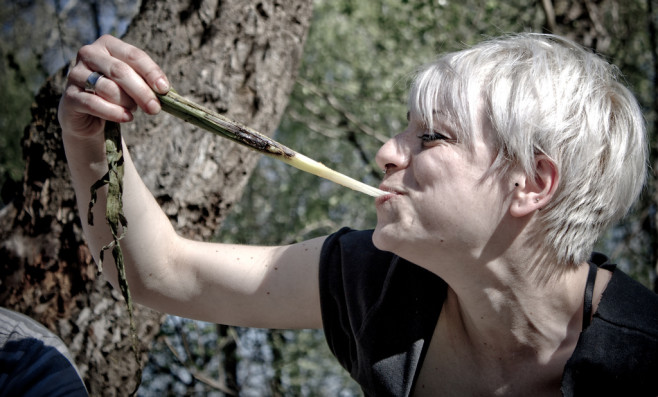
Calçots are a very tasty variety of chives, very popular throughout the Catalan area. Calçots season runs from November to April, but they are consumed mainly from January to March.

They are traditionally grilled on wood embers and outdoors. It’s cold, but tradition is more important!

You will probably have to move to a nearby town, to a restaurant in a farmhouse or, if you are lucky, to the cottage of a friend or relative. Also in the city some places offer calçots.

But above all calçotada is a celebration, the perfect excuse to leave the city, gather with family and friends in the countryside and organize a gastronomic celebration, the kind of celebration we love more than everything!

For many people, the best of all is the sauce that accompanies the calçots: so tasty and vicious you can’t stop eating it! It’s called romesco sauce.

During the calçotadas reunion there are some very specific rules to follow, almost as if you wanted to join the Fight Club 🙂

1st rule of the Calçotada: Do not ever forget your bib! Believe me, you will need it!

2nd rule of the Calçotada: Leave all your good manners at home; you have to eat with your hands and the sauce goes everywhere. It’s the opportunity to enjoy eating like a child!

3rd rule of the Calçotada: Everyone must participate in the preparation!

Knowing the rules, all that remains is to enjoy this funny gastronomic event, the most popular of the winter in Cataluña.

Recipe:

Here you have the recipe for a fantastic Romesco sauce for your Calçots:

Ingredients: (for 4 people)

  • 3 peppers (or 1 chorizo pepper)
  • 1 or 2 large ripe and roasted tomatoes per person
  • 3 cloves garlic, roasted if possible
  • 1 cup of olive oil
  • A splash of vinegar
  • 50 grams of almonds
  • 80 grams of hazelnut
  • 1 slice of stale bread (or fried bread)
  • Ground black pepper
  • Half glass of water

Preparation:

Leave the peppers, or chorizo pepper, in warm water for a few hours before processing it in order to soften it.

To begin, slowly roast the tomatoes and the garlic in the oven for about 30 minutes. This will be the base of the sauce.

Took the ñora pulp with a small spoon, being careful not to lose any of the content and put it in the mortar.

Then, add the fried (or stale) bread, the almonds and the hazelnuts in the mortar.

Crush all together in a mortar for a while.

When tomatoes and garlic are ready, remove the skin and add them to the dough you already have in the mortar with half a glass of oil.

Finally you can give a touch of electric shredder so that the sauce is smooth. If you see that it lacks creaminess, add a little more of oil, olive oil of course.

A disfrutar!!!
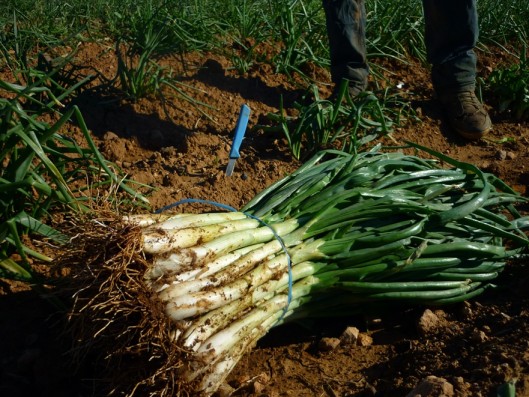
calçots
Photo by Calafellvallo

Calçotada
Photo by Javier Roche

Share

Cultura Gastronómica Catalana: La Calçotada

Cuál es el mejor plan para un día del fin de semana en esta temporada? Hacer una calçotada, por supuesto! Que es eso???

Los Calçots son una variedad de cebolletas muy sabrosa, muy populares en todo el área catalana. La temporada de calçots va de noviembre a abril, pero se consumen sobre todo durante los meses de enero, febrero y marzo.

Se cocinan a la brasa tradicionalmente, sobre brasas de madera y al aire libre. Hace frio pero esa costumbre se mantiene!

Probablemente haya que trasladarse a algún pueblo cercano, a algún restaurante de una masia donde en temporada las ofrecen, y si tienes suerte a la casa de campo de algún amigo o familiar. También en la ciudad algunos sitios ofrecen calçots . Desde luego no es la primera opción para nadie ya que la calçotada es sobre todo una celebración, la excusa perfecta para reunirse con familiares y amigos y montar una celebración gastronómica de las que tanto nos gustan! Pero si no hay otra posibilidad…

Para muchos lo mejor de todo es la salsa que acompaña los calçots,  sabrosa y gustosa no puedes parar! Esta salsa se llama romesco.

Continue reading

Share

Esqueixada (Cod Salad)

Before the common fridge was invented in the 20th century, food couldn’t be properly preserved. Damn it!  That’s the reason why, in the middle ages, the Basque people, who were large producers of salt, decided to salt each whole fish before drying it.

Thus, even the poorest people could afford eating good and cheap fish. Nevertheless, it was the Catholic Church who made the Basque market flourish when it established fast days, during which sexual intercourse and meat were banned and one could only eat fish.

That’s why the Basques, thanks to compulsory abstinence, turned into the kings of Cod market.

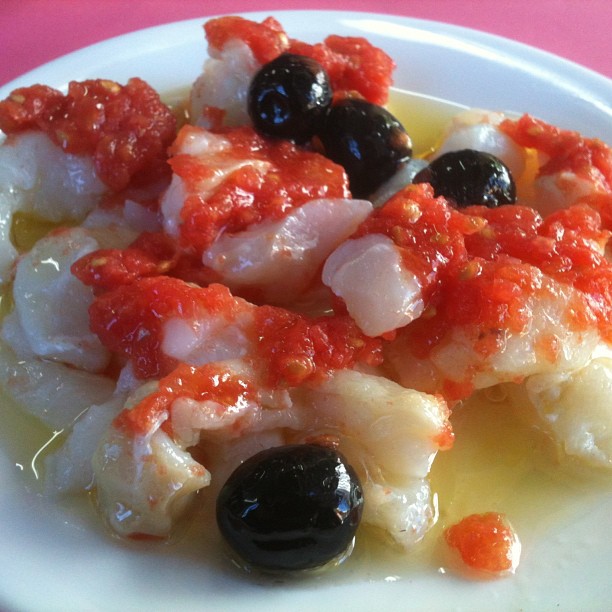
Esqueixada is a delicious and emblematic Catalan dish with cod as its main ingredient. Cod is first desalted and then flaked roughly between the fingers (this is the origin of its Catalan name: esqueixar). It’s eaten raw, and it’s delicious!

Recipe:

Serves four people (in different quantities according to the tastes of each family).

  • 500 gr. of desalted and flaked cod
  • 200 gr of tomato branch, peeled, seed and diced
  • 200 gr of julienned onion
  • 100 gr of diced red pepper
  • Black olives from Aragon and olive oil.

Preparation:

Wash the cod and dry thoroughly with a cloth. Leave for an hour in a bowl covered with olive oil. To remove the strong sharp smell of the onion, leave it for fifteen minutes in a bowl with vinegar and salt.

Then, discard all the vinegar left and dress the onion, the tomato and the pepper with the cod oil.

To serve, place first the dressed onion and the pepper, then the tomato, salted and dressed, and finally places the flakes of cod on the top. Garnish the plate with the black olives.

A disfrutar!

Esqueixada

Share

Esqueixada

Antes de que se inventara el frigorifico en el siglo XX era dificil mantener frescos algunos alimentos. Esta es la razón por la que en la edad media el pueblo vasco, que habia sido tradicionalmente productor de sal, decidiera

Salar cada pieza de pescado antes de ponerla a secar, muy avispados los vascos!

De esta forma hasta la gente con menos posibilidades de acceder al pescado fresco pudo empezar a consumirlo.

Pero no hay que olvidar que la iglesia catolica contribuyó notablemente al florecimiento de este Mercado al establecer la prohibición de comer carne ciertos dias de la semana (y de paso la prohibición de mantener relaciones sexuales).

Quizas gracias a la obligada abstinencia, y a las enormes flotas pesqueras que faenaban en los mares del norte, los vascos se convirtieron en los reyes del Mercado de bacalao.

En Cataluña se puede saborear un delicioso y emblematico plato cuyo principal ingredient es el bacalao, la esqueixada. El bacalao seco y salado es desalado previamente y después desecho con los dedos, de ahí el nombre pues esta acción en catalan se denomina esqueixar.

Continue reading

Share

¿Cuál es la verdadera historia de las tapas?

En España la palabra “tapas” no se refiere simplemente a comida. Para un español, las tapas son parte de su estilo de vida y cultura y reflejan la esencia de la sociabilidad española.

Cualquier momento es adecuado para compartir unas tapas y un buen vino, o un buen vermut, con los amigos, sobre todo cuando hace sol y se puede disfrutar de todo esto en una terracita (especialmente si nos encontramos en Barcelona!)

Tradicionalmente la tapa era un complemento de jamón que acompañaba una copa de vino, pero hoy en día se conocen como pequeños platillos de comida que se sirven en algunos bares de toda España para acompañar las bebidas.

La historia de este  fantástico “invento” de origen Andaluz,  queda aún en la incertidumbre.

Existen diferentes explicaciones sobre esta tradición:

  • Una de éstas, cuenta que la tapa nació cuando el rey Alfonso X, debido a una enfermedad, tuvo que tomar pequeños bocados de comida con un poco de vino entre las comidas. Después de eso, el sabio rey decretó que en los mesones del país no se despachara vino si no era acompañado de algo de comida. Esto, para evitar que el alcohol causara malestar en aquellos que bebían, quienes, en la mayoría de los casos, no tenían suficiente dinero como para pagar una comida.
  • Otra versión relata que el rey Alfonso XIII se detuvo en una posada en Cádiz donde ordenó una copa de vino. Justo en ese momento una corriente de aire entró en el local y el camarero se apresuró a cubrir el vaso con una rodaja de jamón para proteger el vino de la arena. El rey, después de beber el vino y comer el jamón, pidió otra copa “con la misma tapa”.
  • La explicación más realista dice que la tapa nació de la necesidad de los agricultores y trabajadores de ingerir una pequeña porción de comida durante las horas de trabajo, para que pudiesen continuar el trabajo hasta la hora del almuerzo. El tentempié exigía vino, ya que el alcohol aumentaba el entusiasmo y la fuerza, y durante el invierno calentaba el cuerpo y ayudaba a resistir el rígido frío medieval. En verano, el vino se reemplazaba por el gazpacho.

Sea cual sea la verdad sobre el origen de las tapas, lo cierto es que el tapeo es una experiencia imprescindible si quieres experimentar la vida local en España.

Si visitas Barcelona estaríamos encantados de tenerte en nuestro tour de tapas para que puedas descubrir los mejores lugares y las especialidades locales sin perderte en los miles de bares y restaurantes que encontrarás! Sabemos que hay que elegir en cada sitio porque conocemos muy bien esas cocinas.

A tapear entonces!

Share

What is the Real History of Tapas?

In Spain the word “tapas” doesn’t simply refer to food. To a Spaniard, tapas are part of his own lifestyle and culture. They reflect the essence of Spanish friendliness and sociability.

Anytime is the right time for sharing tapas and good wine with friends, especially when it’s sunny and you can enjoy all this on a terrace of a bar (especially if this bar is in Barcelona!)

Traditionally, tapas was a piece of sliced ham served with a glass of wine, but nowadays we know them as tiny plates of food served in bars all over Spain to accompany drinks.

The history of this awesome “invention”, originated in Andalucia, is still unclear.

There are different explanations about this tradition:

  • One explanation says that the tapa was born when King Alfonso the 10th, due to an illness, had to take small bites of food with some wine between meals. After that, the king decreed that in any of the inns in the land, no wine was to be served unless accompanied by something to eat. This, to prevent that alcohol would cause physical discomfort in those who drank, who, in most cases, did not have enough money to pay a complete meal.
  • Another version is that King Alfonso the 13th stopped by an inn in windy Cadiz where he ordered a cup of wine. The waiter rushed to cover the glass with a slice of ham to protect the wine from the sand. The king, after drinking the wine and eating the ham, ordered another glass “with the same tapa (cover)”.
  • The more realistic explanation refers that the tapa was born because of the need of farmers and workers to ingest small portion of food during working hours, to allow them to continue the work until lunchtime.

The snack demanded wine, because alcohol increased the enthusiasm and strength, and during winter it warmed the body and helped to resist the rigorous medieval cold.

In summer the wine was replaced by gazpacho.

Whatever the truth is, if you really want to get into the local life, be aware that “tapeo” is a must-see experience during your visit in Spain. And if you will visit Barcelona, we would be glad to have you during our tapas tour, where you will be able to discover the best places and the local specialties without losing yourself into the thousands of bars and restaurants you will find!

A tapear, then!

Share

Authentic Culture of Barcelona

What makes Barcelona Food Markets so special?

Well, the fact that they are not just about food. You can enjoy different kinds of events in Barcelona markets.

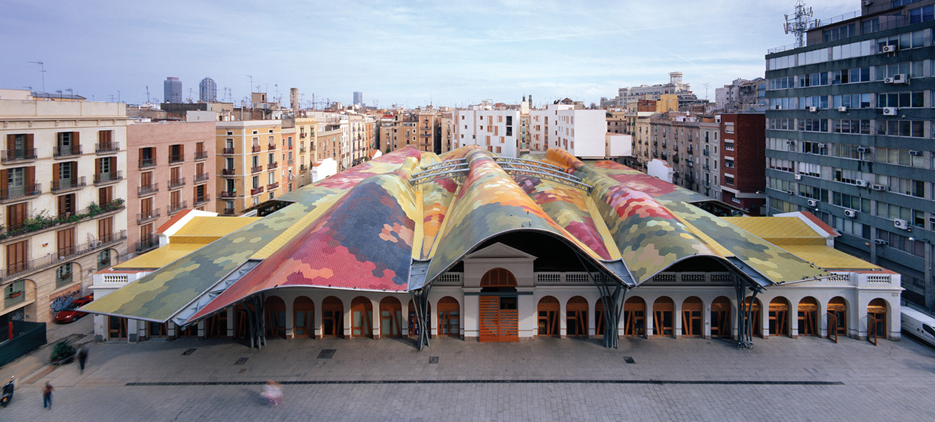
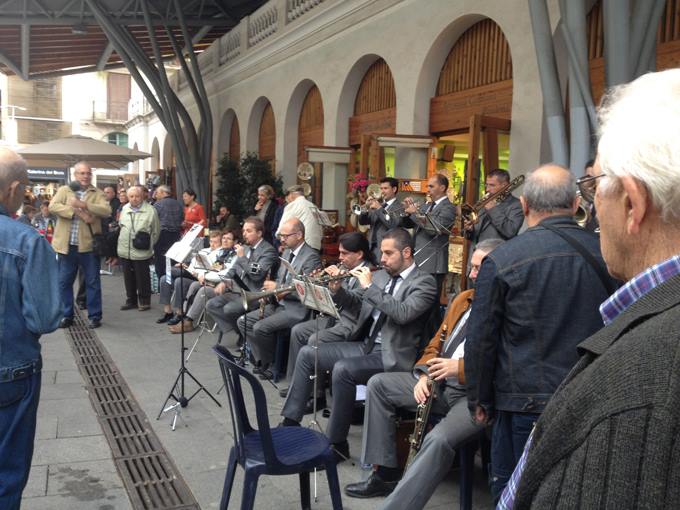
Let’s take the example of the Santa Caterina Market, in the Born area: you can sometimes (usually on Saturdays) enjoy a great performance by a local group of Cobla, just outside the beautiful building where the market is located.

La Cobla is a traditional Catalan music that accompanies the traditional Catalan folk dance called Sardana.

It’s a pleasure for the senses to taste fresh produce from the market while enjoying the show.

We warmly recommend it to all Food and Music Lovers!

Santa Catarina Market

Cobla

Share

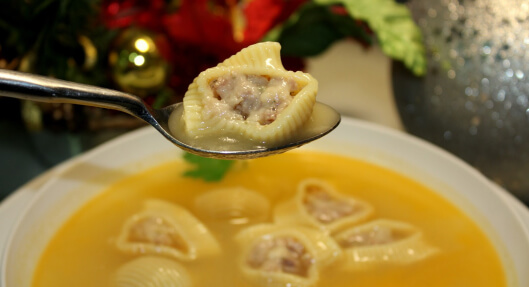
Escudella Recipe

As we are in winter we feel like talking about Escudella, a typical winter dish in Cataluña and a delight to popular cuisine.

Escudella means bowl, because it is a bowl of soup, a rustic soup made with vegetables and meat.

What I find unfortunate is that nowhere in Barcelona allows you to test a small bowl escudella a trial or lid. You need to sit in a restaurant to get to try this treat, or do it at home. So here are the recipe.

Escudella Recipe:

This recipe is very simple but requires time to cook , minimum 3-hour fire.

Ingredients:

  • A chicken leg
  • One white and one black sausage
  • A ham bone with fat
  • A bone of beef
  • Pig bone and pig ear
  • A neck lamb
  • 1 potato 2 carrot 1 leek 2 turnip 1 celery
  • 60 grams of chickpeas that have previously been soaking about 24 hours

For the meatloaf:

  • 300 gr. minced pork to make small meatballs
  • Two cloves of garlic
  • A small onion
  • Egg
  • Parsley
  • A slice of stale bread, crust removed
  • 250 gr. Galets (pasta)

Preparation:

Begin cooking the meat during 90 minutes, then add the vegetables and let cook 60 minutes more.

Meanwhile we will make the pilotas – meatloaf balls-

Mix the beaten egg with meat, salt, pepper, bread, add the garlic, parsley and onion finely chopped. We give a ball, floured and fry over high heat a minute in the pan in olive oil. Just to be fried out. Drain on paper piles after frying to remove excess oil.

We left the broth alone without vegetables and meat. Chop one of the carrots cooked in the broth and add it to the broth with the meatloaf balls.

Finally we add the broth some pasta shells ,usually about 12 minutes.

And enjoy!

Escudella Recipe

Share

Olive Oil: Culture Taste

Olive oil is definitely an essential part of our cuisine. In Spain we do not say “olive oil adds” we say “add oil” because it is always olive, and almost always virgin.

For those not familiar with this product at least know that it is an essential part of the Mediterranean diet, its magnificent nutritional qualities and how healthy it is. For those who know the product first thing you say is “how delicious”!! Because when you know you know that an oil, in itself, is a delicacy. When you find that oil, one rather specific, newly produced, good harvest, good quality, then you just need to put it on a plate and dip a piece of bread.

Once you closed your eyes and fragrance invade you, which moment!

Behind a good oil is a quality process, made with the wisdom that gives the tradition and love of those who love their work.

You can see in several languages, a good, brief explanation of this process on the website of Nian, much olive oil as they come!

If you go to Barcelona tapas or dishes, and in the kitchen or at the tables not see a good olive oil…stop! Look elsewhere!

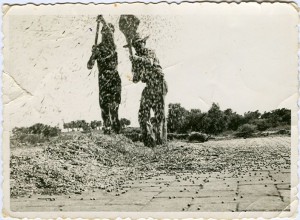
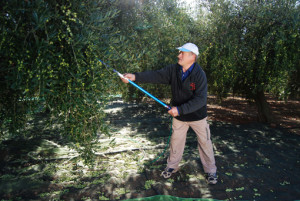
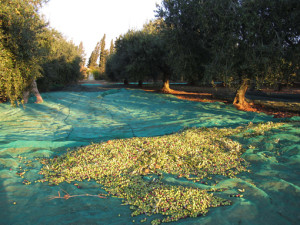
olive oil

olive oil

olive oil

Photo courtesy Toni Ventura

Share

Aceite de Oliva: La Cultura del Sabor

El aceite de oliva es sin duda una parte fundamental de nuestra gastronomía. En España no decimos “añade aceite de oliva” decimos “añade aceite” por que siempre es de oliva, y casi siempre virgen.

Para los que no están familiarizados con este producto les sonará lo de que es parte esencial de la dieta mediterránea, sus magnificas cualidades nutritivas y lo saludable que es. Para los que conocemos el producto lo primero que diremos es “que delicia”!! Porque cuando lo conoces sabes que un buen aceite, en si mismo, es una exquisitez.

Cuando encuentras ese aceite, uno bien especifico, recién producido, de buena cosecha, de buena calidad, entonces solo necesitas ponerlo en un platito y mojar un trozo de pan. Cerrarás inmediatamente los ojos y su perfume te invadirá, que momento!

Detrás de un buen aceite siempre hay un proceso de calidad, hecho con la sabiduría que proporciona la tradición y  el cariño de los que aman su trabajo.

Podéis ver, en varios idiomas, una buena y breve explicación de este proceso en la web de Nian, gran aceite de oliva donde los haya!

Si en Barcelona vas a tomar tapas, o platillos, y en la cocina o en las mesas no ves un buen aceite de oliva…detente! busca otro sitio!

olive oil

olive oil

olive oil

Gracias por las fotos Toni Ventura

Share
Food Lovers Company
Privacy Overview

This website uses cookies so that we can provide you with the best user experience possible. Cookie information is stored in your browser and performs functions such as recognising you when you return to our website and helping our team to understand which sections of the website you find most interesting and useful.