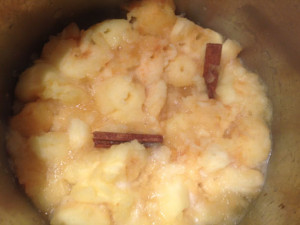
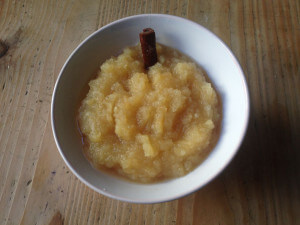
What is needed to feel for a moment the essence of luxury? Good apples and a few minutes of work. Apple sauce: Pippin apples, cinnamon, a little water and a little sugar!

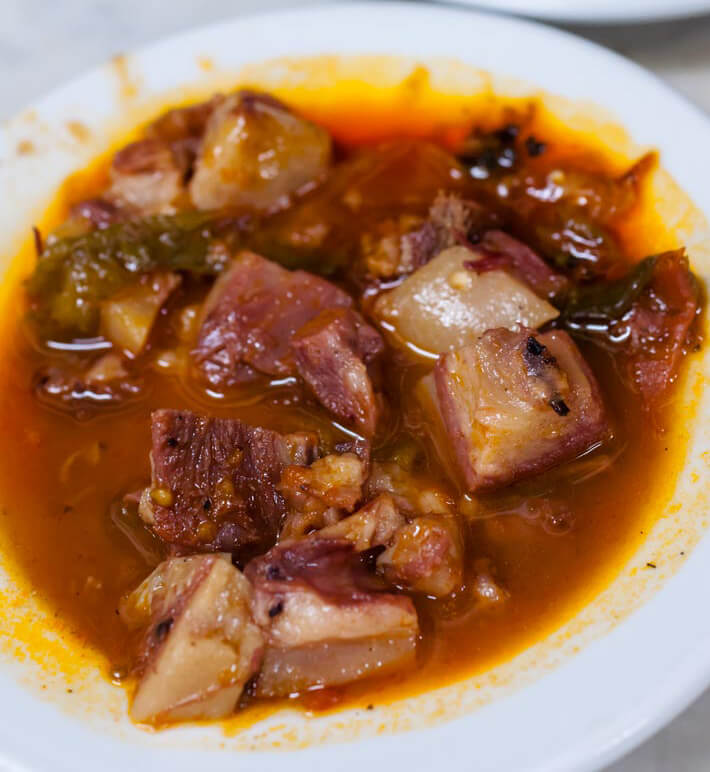
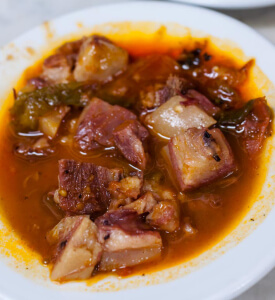
In the postwar period, eating a good chicken or a good steak was a luxury available to very few. The most common meat, affordable for the vast majority, were the leftovers: the offals and the sweetbreads. Women, of course, became culinary artists. They managed to make the testicles lose their peculiar stink, they also succeeded in softening the guts and in turning ox cheeks into a delicacy, just as good as the most tender steak. Therefore, during the postwar years the giblets shops reached their maximum splendour. However, over the years these stews were relegated to grandmothers and it is thanks to them that we can still enjoy these dishes, which were turned into great delicacies by the poor, witty and imaginative women from our country.
Recipe: (for 4 people)
Preparation:
Thoroughly wash the shank and lips, leave one hour in cold water with vinegar. Wash again and blanch in hot water for 5 minutes, and wash once more with cold water.
Fully cover the shank and lips with water and add one onion, a bulb of garlic, a bay leaf, salt and pepper.
Proceed to cook until all the products (35 minutes in the pressure cooker) soften.
When everything is tender let the meat cool down until you can handle it without getting burned.
Bone the shank and cut the lips into small pieces and reserve the juice from the stew.
Add 50 cc of olive oil in another pot and sauté the onion.
When it becomes transparent, add two cloves of garlic, previously chopped, and the ham cut into strips. Fry for two minutes and add the dried red pepper (stirring constantly).
Incorporate the diced tomatoes and let them reduce on a low heat.
Add the shank, the lips and the chickpeas. Stir. Taste and add salt if necessary. Add the remaining broth from cooking the meat.
Cook for another 20 minutes so as all the flavours can blend.
A piece of advice:
I recommend to let it settle for a few hours to gain in taste and consistency.
Buen provecho!
We can sometimes find this fish in the market, I love it! It looks like a small shark, which always adds a dramatic touch to the plate.
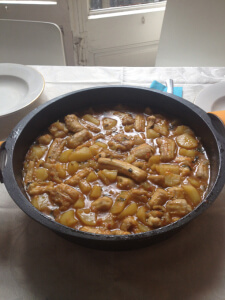
In Catalonia it is cooked “allipebre”, a traditional Catalan way, but we chose a Galician recipe because the accompanying potatoes are more tasty in it.
Dogfish, (known as Huss or Rock Salmon in the UK??), Moixina in Catalán and Pintarroja in Spanish.
(Galeus melastomus) is a type of shark common in the Mediterranean and is often found near the Catalan coast.
Ingredients:
Preparation:
Dogfish is marinated with garlic, parsley and salt.
In a saucepan brown the chopped onion, and then add 1 chopped tomato . Add a teaspoon of paprika, 1 glass of wine and 2 of water. Add the potatoes, previously cut into slices (approx. 1 cm thick). Add half bay leaf.
Stir and add the water until the potatoes are covered.
Leave it to cook for 20 minutes.
In the meantime, prepare the dogfish.
Roll the dogfish in the flour and fry very slightly.
Add the fish to the stew together with the “picada” (blend garlic, almonds and bread all together) and leave it to cook for 10 more minutes.
And that’s all folks!
En época de posguerra, poder comer un buen pollo o un buen bistec era un lujo al alcance de muy pocos. La carne más común, a la que la gran mayoría únicamente tenía acceso, eran las sobras: los despojos y las mollejas. Las mujeres, ¡cómo no!, se convirtieron en artistas culinarias y consiguieron que las criadillas perdieran su tufo característico, que las tripas -duras como mojamas- se reblandecieran o que las mejillas de buey se convirtieran en un majar delicioso que nada tuviera que envidiar al más tierno filete. Por ello durante la postguerra los puestos de menuts (lugar donde se vendían desechos) vivieron su periodo de máximo esplendor. Sin embargo, con el transcurso de los años estos guisos quedaron relegados a las abuelas y es gracias a ellas que aun podemos degustar los platos, que con mucho ingenio e imaginación, las mujeres pobres de nuestro país convirtieron en verdaderas exquisiteces.
How to start? With my passion for gastronomy? With my fascination for good pictures? How share my love of pleasure and laughter? For all in one: a blog where it all together.
And, friends and strangers, I hope you like my reports from Barcelona: information about bars, wine bars, tapas and restaurants, recipes and lots of pictures of the food world.
THANKS TO ALL WHO ARE SUPPORTING ME IN THIS PROJECT!

¿Por dónde empiezo? ¿Por mi pasión por la gastronomía? ¿ por mi gusto por compartir placeres y risas? ¿por mi fascinación por las buenas imágenes? Pues todo en uno: un blog donde integrarlo todo.
Y, amigos y desconocidos, espero que os gusten mis crónicas desde Barcelona: información de bares, bodegas, tapas y restaurantes, recetas y muchísimas imágenes del mundo gastronómico.
¡GRACIAS A TODOS LOS QUE ME APOYAIS DE MIL FORMAS DIFERENTES EN ESTE PROYECTO!
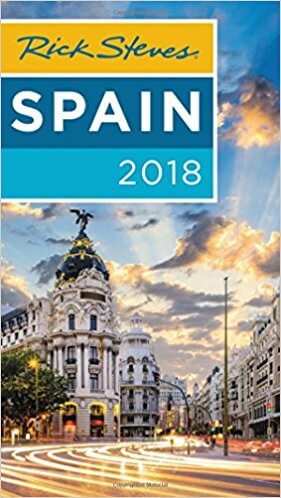
We're featured in Rick Steves' Spain Guide!

© Food Lovers Company | hello@foodloverscompany.com | + 34 635 604 290
